October 9, 2022
We might resent the notion that anyone should tell us what to do, but we deeply need direction.
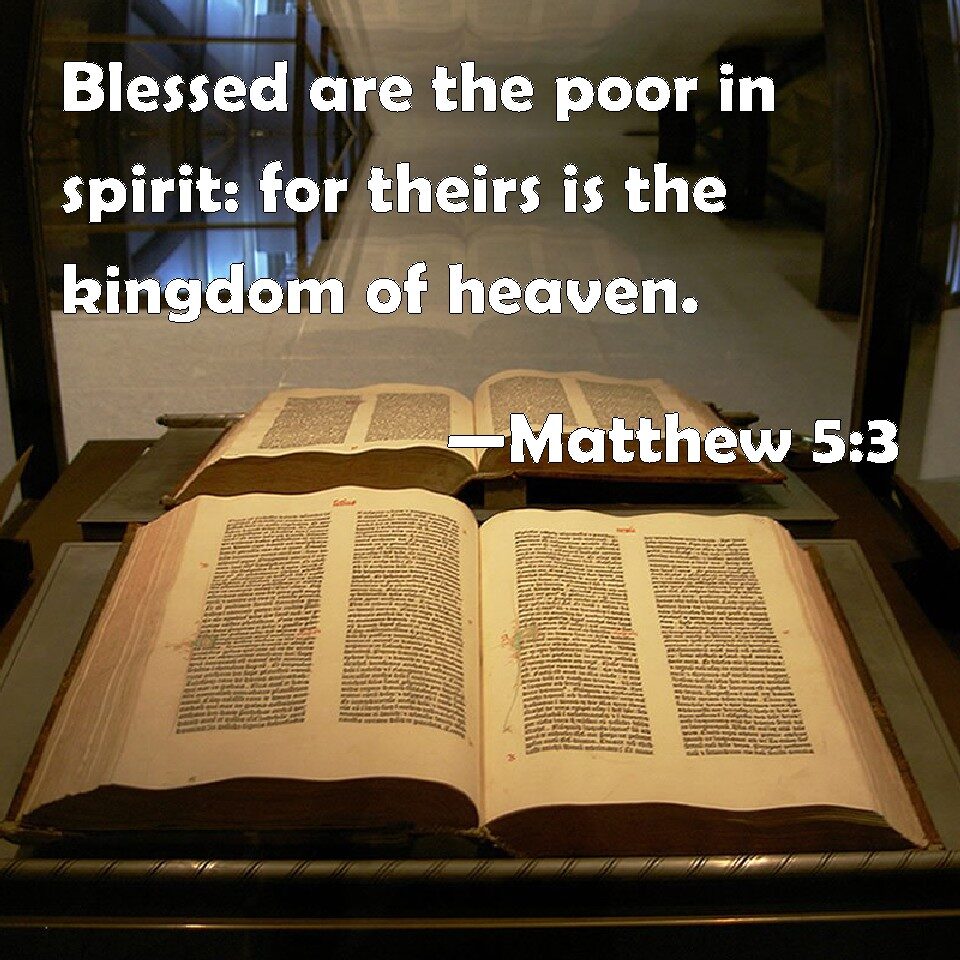
God wants us. It is an amazing fact when we consider our rebellious tendencies. We don’t like the suggestion that we are needy. Yet, that is the first of the beatitudes that describe those who are in the kingdom of heaven (Matthew 5:3). We might resent the notion that anyone should tell us what to do, but we deeply need direction. Our pull-yourself-up-by-your-bootstraps culture assures us that God helps those who help themselves. Sounds good until we realize that we weren’t simply weak. We were dead.
We are beggars without the spiritual resources to help ourselves. A corpse cannot revive itself. An alienated sinner is incapable of reconciliation with God apart from a supernatural plan to bring it about. There is only one way back, and that is through Jesus Christ (John 14:6). That, too, can stir up resentment in some people. There are not a thousand, a hundred or even two ways to bridge the gulf between us and a holy God. People are reconciled in one body, or they remain disconnected (Ephesians 2:16).
God sent His unique Son to open the door. Sin had closed it and nailed it shut; but an all-wise, all-loving, all-powerful Lord had a plan. He would send the perfect solution to the problem that is far worse than we can imagine. King David described his feelings when he realized his sin (Palm 51). It is painful within. Guilt is heavy. No cleanser in this world can rid us of the dirty feeling inside when we see it for what it really is. It seems irreparable. It isn’t. Remember: God wants us.
His strategy unfolded through the centuries in remarkable fashion. It was not carried out through the perfect and righteous but through the imperfect and unrighteous. The genealogy of our Savior makes us blush when we look at the details (Matthew 1). It includes the good, bad and anonymous. His spiritual descendants are no different, and through our imperfection His mission continues. Lazarus illustrates us perfectly (John 11).
He was dead. A graveyard is a final destination from an earthly perspective. His sisters knew that Jesus could have stopped his death but failed to show up in time. They expressed as much to Him. He knew what they did not. A funeral was not the end of the story. God’s glory was. Belief would open their eyes. That very day they saw a dead man live. He walked out of the tomb. The call of Jesus did that. He is still calling.
He did not come to call the righteous but sinners to repentance (Luke 5:29-32). People are dead in their sins (Ephesians 2:1) until they hear the voice of Jesus (John 5:25). He is the resurrection and the life (John 11:25-27). His question for Martha still rings out, “Do you believe this?” He is still calling. Do we believe? He really does want us.